
Solar energy is no longer a niche market in India. It is mainstream, it is growing at a breathtaking pace, and it is producing real business opportunities for entrepreneurs across the country.
If you have been researching solar dealerships, one name that keeps coming up is Waaree. And for good reason.
But before you fill out that inquiry form, you deserve a straight answer on what it actually costs to become a Waaree dealer, what you can earn, and whether this business is right for you.
This article breaks all of it down.
In this post,
How is the Waaree Solar Brand?
Waaree Energies Limited was founded in 1989 and is headquartered in Mumbai. It is not just another solar brand — it is currently the largest solar PV module manufacturer in India, with a manufacturing capacity of approximately 15 GW across plants in Gujarat, including Surat, Chikhli, Tumb, and Umbergaon. The company holds the distinction of being the largest non-Chinese solar module manufacturer in the world.
When you take a Waaree dealership, you are not selling an unknown product. The brand already carries enormous trust in the market, which means your job as a dealer is significantly easier than it would be with a smaller manufacturer. Customers walk in having already heard the name.
What Type of Waaree Dealership Can You Take?
Waaree offers three distinct ways to partner with the company, and each one suits a different investor profile.
The first is the Retailer or Dealer model, where you sell solar panels and complete systems directly to end customers — homeowners, small businesses, and institutions. This is the most common entry point and the one most suited to entrepreneurs coming from a general trading or electrical goods background.
The second is the Distributor model, where you supply products to local installers and dealers within your territory. This requires a larger investment and suits those who have supply chain experience and want to operate at a higher volume.
The third is the EPC Partner model, where you handle full engineering, procurement, and construction of solar projects for homes and commercial buildings. Some technical understanding is helpful here, though Waaree provides training support.
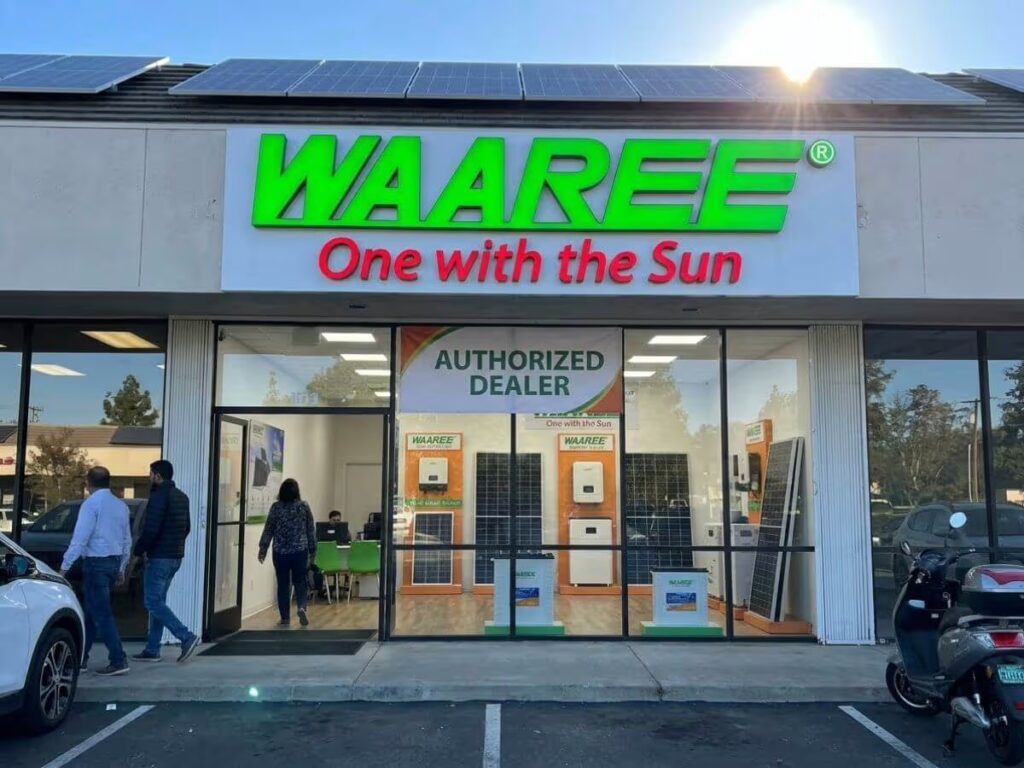
All three operate under the “Waaree Solar Shoppe” franchise programme, which runs on a Franchise Owned, Franchise Operated (FOFO) structure — meaning you own and run the business while operating under Waaree’s brand.
How Much Does a Waaree Dealership Cost in India?
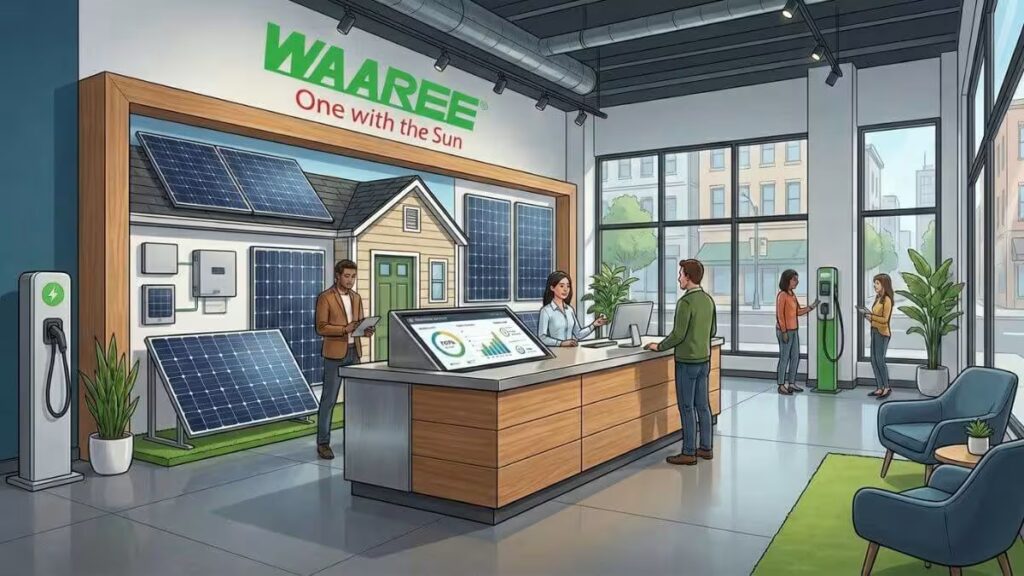
At the entry level, the total investment to start a Waaree dealership ranges from ₹10 lakh to ₹15 lakh. This covers three main cost heads.
The franchise or brand fee comes to approximately ₹3 lakh, which gives you the right to operate under the Waaree Solar Shoppe name with full brand and marketing support. Initial inventory and stock purchase account for ₹5 lakh to ₹7 lakh, depending on the product mix you stock at launch. The remaining ₹2 lakh to ₹3 lakh goes towards office or showroom setup costs — signage, interiors, display material, and basic utilities.
For a distributor-level partnership with a larger territory and higher stock requirements, the investment can scale up to ₹25 lakh to ₹30 lakh or more, depending on your city and the size of the territory being offered.
The minimum area required for a franchise outlet is 2,500 square feet. This space needs to be an owned or rented commercial premises — not a residential setup. Waaree also offers flexible financing options for qualifying partners, which can reduce the upfront cash burden.
How Much Profit Can a Waaree Dealer Make?
The product margins for Waaree dealers typically range between 10% and 25%, depending on the volume of business you do and the product category. High-volume distributors naturally command the better end of the margin range.
But the real money is not just in selling panels. Once you add installation services and Annual Maintenance Contracts (AMC) to your business, you earn an additional 8% to 15% on top of your product sales. This is where dealerships become genuinely profitable businesses rather than just resellers.
At a moderate operational scale, a Waaree distributor handling a mix of residential and small commercial projects can generate annual revenues in the range of ₹30 lakh to ₹60 lakh. The payback period on the initial investment, for a well-run dealership in a growing market, typically falls between one and three years.
You will generally need a team of three to ten employees to run operations smoothly, which adds to your monthly overheads but also allows you to take on more projects simultaneously.
Who Is Eligible to Apply for a Waaree Dealership?
The eligibility criteria for a Waaree dealership are not as rigid as people expect. Waaree does not require you to have an engineering background or prior solar industry experience. Many successful Waaree channel partners come from trading, electrical retail, hardware, or construction backgrounds.
What they do look for is basic business infrastructure — a commercial space of at least 2,500 square feet for the full franchise model — investment capacity of ₹10 lakh or more, and a genuine willingness to follow Waaree’s brand guidelines and complete their training programmes. Prior experience in electrical goods, building materials, or construction-related retail is considered an advantage, but it is not a dealbreaker if you do not have it.
GST registration and standard business documentation are mandatory from a compliance standpoint.
Documents Required
While Waaree does not publish a rigid checklist, the documents you will typically need to complete your application and sign the franchise agreement include your Aadhaar card and PAN card, GST registration certificate, proof of business premises (rental agreement or ownership documents), passport-size photographs, and your bank account details. If you have prior business experience, having those documents handy can strengthen your application.
How to Apply for a Waaree Dealership
The application process is fairly straightforward and typically completes within two to four weeks from submission to your first stock order.
You start by visiting Waaree’s official partner portal and filling in the inquiry form with your location, investment capacity, and a brief background on your business experience. The Waaree franchise team generally contacts you within three to five working days. After that initial discussion, you move into territory negotiation — this is the stage where you agree on which geographic area you will be responsible for. Once the territory is finalised, you sign the Franchise Disclosure Document and the agreement, complete your onboarding training, and place your first stock order.
Territory exclusivity is negotiated before signing, so it is worth being clear and direct during that discussion about the market area you want.
Government Schemes
One of the biggest tailwinds for any Waaree dealer right now is the PM Surya Ghar Muft Bijli Yojana scheme, launched by the central government to push rooftop solar installations across Indian households. Under this scheme, eligible families can receive up to ₹78,000 in subsidies for rooftop solar installations, and the target is one crore households. This scheme is directly generating demand at the local level, and dealers who position themselves as the trusted local installation partner in their district are sitting in a very strong spot.
Beyond PM Surya Ghar, schemes like NABARD’s rural energy financing, MNRE subsidies for residential and commercial solar, and state-level net metering policies are all adding more customers to your sales pipeline. Keeping yourself updated on state-level incentives in your geography is one of the best things you can do as a dealer.
If your location has growing residential and commercial construction activity, and you are willing to invest time in building local relationships alongside your initial capital investment, then this is a worthwhile business.
The solar market in India is not slowing down. The country has set a target of 500 GW of renewable energy capacity by 2030, and solar is expected to be the single largest contributor to that figure. Government policy at both central and state levels is pushing consumers towards solar in a way that was not happening five years ago.
With Waaree, you get the brand trust, the product quality, the training, and the support system. What you bring is your local network, your execution ability, and your hustle. That combination, in a market this active, makes for a genuinely solid small business opportunity.
If you have ₹10 lakh to ₹15 lakh to invest, a commercial space, and you are based in a city or district with growing construction activity, a Waaree dealership deserves serious consideration. Negotiate your territory carefully, take the training seriously, and prioritise adding AMC services from day one — that is where the long-term, recurring income comes from.

Suraj Shetty
Suraj Shetty has over 8 years of experience in small business, startups, and business consulting. He shares practical insights and proven strategies to help entrepreneurs discover new opportunities and grow their businesses sustainably.
Anoop Dewan
20 years of experience in Entrepreneurship